
Hospital Must-Haves for Delivery: What to Pack for a Smoother Birth Experience
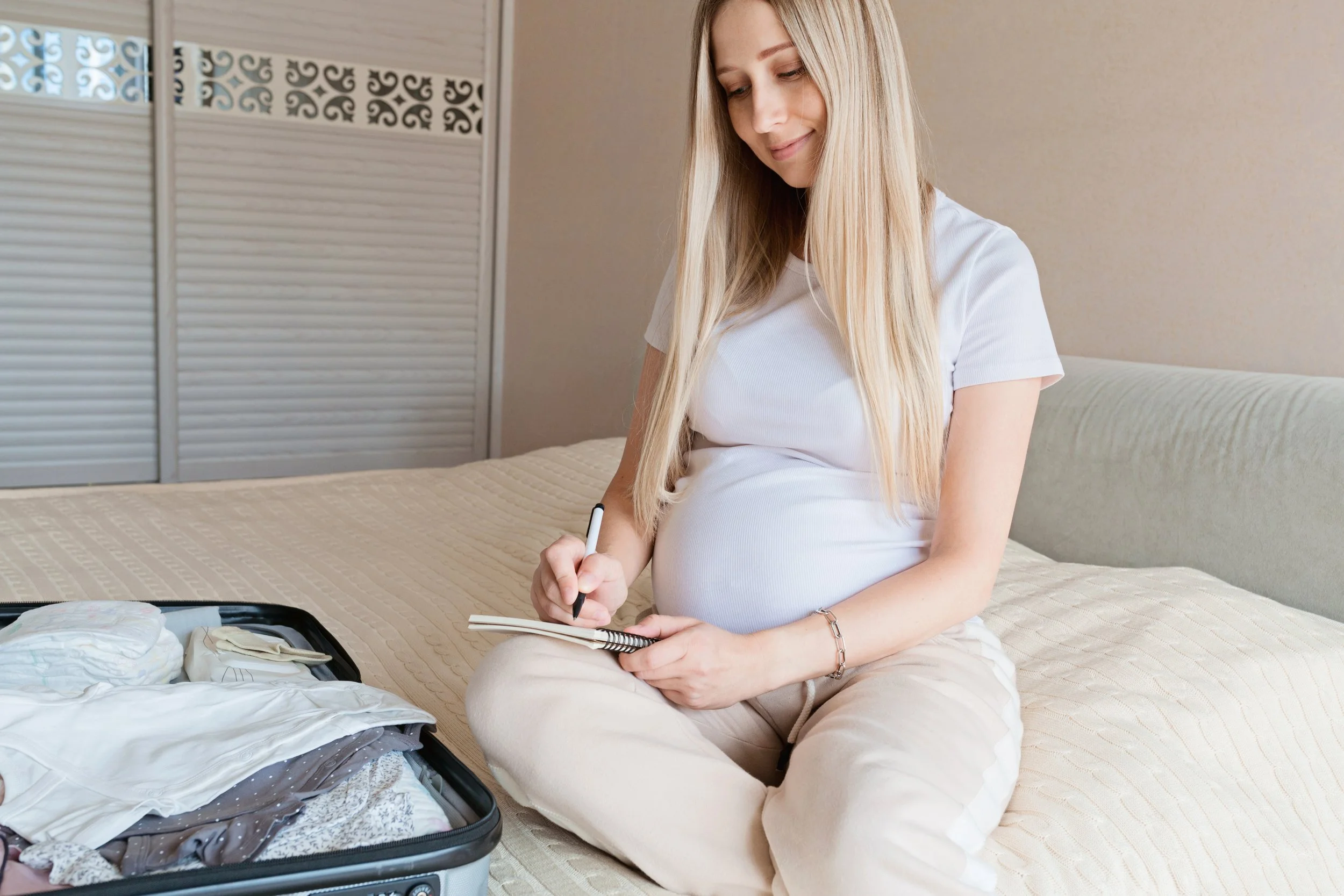
Getting ready for your baby’s arrival is exciting, but packing your hospital bag for delivery can feel overwhelming. At NEOwell, our goal is to help families across Northern Virginia, Falls Church, Arlington, and the DC metro area feel prepared, confident, and supported.
Below is a clean, simple list of the hospital must-haves that truly matter—based on our experience as neonatal nurse practitioners guiding families from hospital to home.
Why This Checklist Matters
When families search for what to pack for a hospital birth, they often find overwhelming lists full of extras they don’t really need. This blog focuses on the newborn hospital essentials that make your birth experience smoother and more comfortable—no clutter, no stress.
These recommendations are ideal for families preparing for delivery at hospitals including Inova Fairfax, VHC, Sibley, GW, Georgetown, or any DC-area facility.
Hospital Must-Haves
1. Your Pediatrician’s Name, Address & Phone Number
This is one of the most important items on your hospital bag checklist. Hospitals ask for your chosen pediatrician during admission and again when preparing for discharge.
Why it matters:
Ensures follow-up appointments are scheduled
Allows the hospital to send newborn records directly
Helps coordinate care for smaller infants, NICU graduates, or late-preterm babies
If you're still choosing a pediatrician in Northern Virginia or the DC metro area, select someone familiar with newborn transitions, feeding challenges, and NICU-to-home care.
NEOwell Tip: Save the information in your phone and keep a written copy in your bag.
2. Phone Charger (Extra-Long!)
It may seem simple, but a long charging cord is one of the most essential and most forgotten hospital must-haves for delivery.
Why you need it:
Outlets are often far from the bed
Your phone will be used constantly—for timing contractions, photos, updates, and feeding apps
Keeps you connected without stretching across the room
3. Driver’s License, Photo ID & Insurance Card
These are required for:
Checking into Labor & Delivery
Newborn paperwork
Billing and administrative forms
NEOwell Tip: Take a photo of each card and store it securely on your phone—perfect backup for busy hospital days.
4. Infant Car Seat (Bucket Style Preferred)
A rear-facing infant car seat is mandatory for hospital discharge. For newborns—especially smaller or early babies—we recommend a bucket-style infant car seat.
Why bucket-style seats are best:
Better fit for small and late-preterm infants
Easier for hospital car seat checks
More supportive of newborn head and neck positioning
Ideal for NICU graduates
Families researching infant car seat safety for newborns or preparing for hospital discharge should prioritize this.
5. Baby’s Going-Home Outfit (With Hat & Blanket)
You’ll want something soft, cozy, and easy to put on for your baby’s first trip home.
Essentials to pack:
A weather-appropriate outfit
A lightweight newborn hat
A warm blanket (especially for fall/winter babies)
These are core newborn going-home essentials and a sweet part of your hospital-to-home moment.
6. Comfy Clothes for You (Plus a Pumping or Nursing Bra)
Comfort matters—especially post-delivery. When families ask what moms need to bring to the hospital for delivery, we always recommend:
Soft joggers or maternity leggings
A cozy robe or cardigan
A comfortable pumping or nursing bra
Easy-access tops for feeding
Warm socks
These help with skin-to-skin time, feeding, recovery, and simply feeling more like yourself.
Packing your hospital bag shouldn’t feel stressful. With these simple, essential items ready to go, you’ll feel organized and prepared for your baby’s arrival.
NEOwell proudly supports families across Northern Virginia, Maryland, and DC with:
- Newborn Care Classes (private in-home with your newborn equipment, including car seat)
- Infant Choking and CPR class (private in-home)
- NICU-to-Home Support
- Postpartum Home Visits
- Feeding and Lactation Guidance
Our mission is to guide families confidently from hospital to home.