
Why Premature Babies Need Follow-Up with Occupational and Physical Therapy
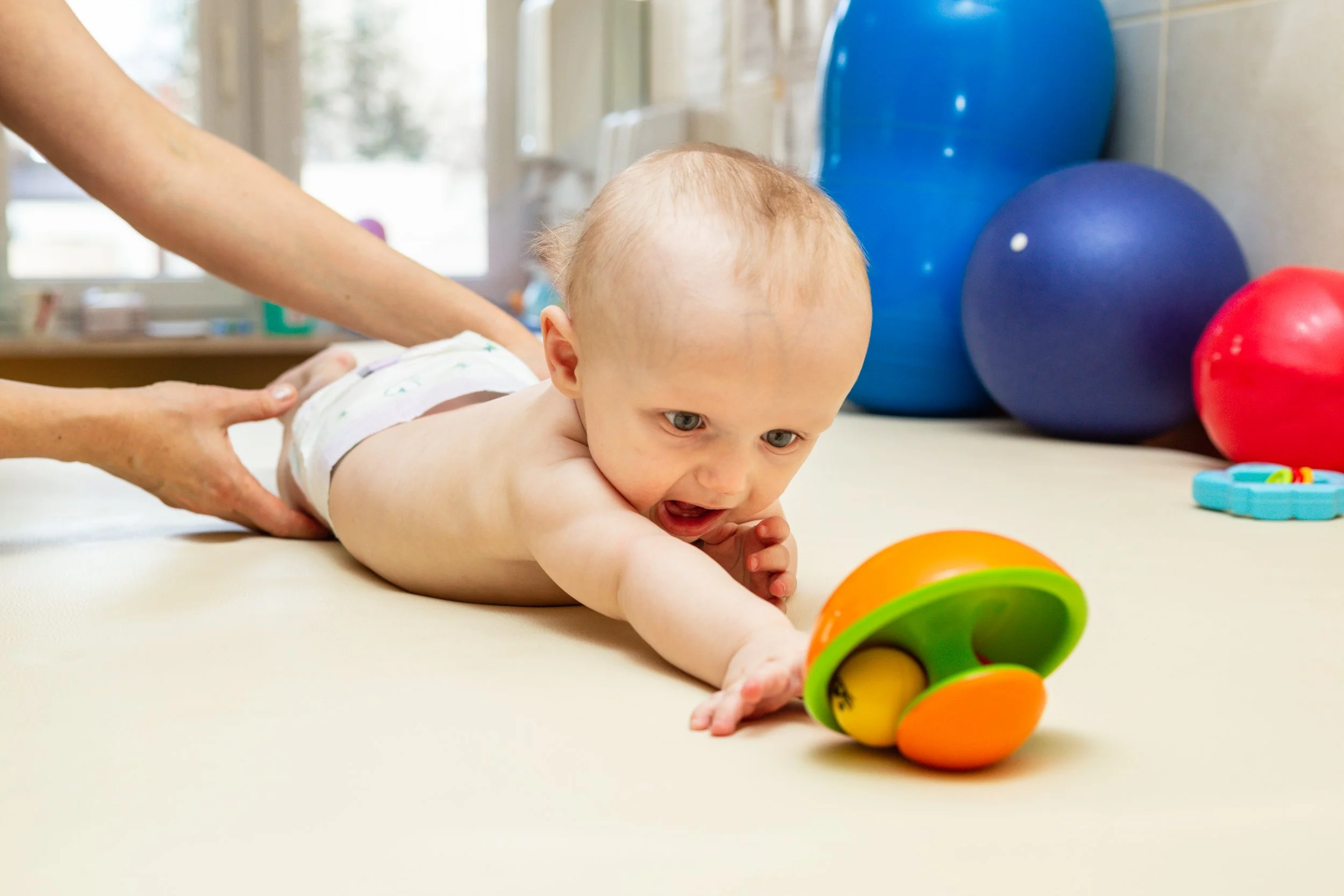
When a baby is born prematurely, their journey doesn’t end at NICU discharge. Many premature infants benefit from ongoing developmental follow-up, including occupational therapy (OT) and physical therapy (PT). These therapies play a critical role in helping premature babies build the skills they need for healthy growth and development.
At NEOwell, we support families throughout Falls Church, Arlington, and the greater DMV area as they transition from the NICU to home. One of the most important parts of this transition is ensuring that premature babies receive the developmental monitoring and therapy services they need to thrive.
Why Premature Babies Are at Higher Risk for Developmental Delays
Premature babies—especially those born before 37 weeks—enter the world before their brains, muscles, and nervous systems have fully matured. Because of this, they have a higher risk of developmental differences compared with babies born at full term. Research shows that children born preterm are more likely to experience motor, cognitive, and behavioral challenges later in childhood.
Premature infants may need additional support with:
Muscle tone and movement patterns
Feeding and oral motor coordination
Sensory processing
Head control and posture
Fine motor development
Coordination and early mobility
Early follow-up allows healthcare providers to identify delays early and intervene before they become more significant challenges.
The Role of Physical Therapy for Premature Babies
Physical therapy focuses on movement and motor development.
A pediatric physical therapist evaluates how a baby moves and develops strength, coordination, and posture. PT helps premature babies develop the foundational motor skills they need to reach milestones like rolling, sitting, crawling, and walking.
Physical therapy may support:
Head and neck control
Core strength
Symmetry of movement
Muscle tone and flexibility
Gross motor milestones
Early interventions have been shown to improve motor development and reduce differences between preterm and full-term infants.
Therapists also teach parents how to support movement through positioning, play, and daily routines at home.
The Role of Occupational Therapy for Premature Babies
Occupational therapy focuses on functional skills that support daily life and development.
For premature babies, OT often addresses feeding, sensory development, and fine motor skills. Occupational therapists help babies develop the foundational abilities needed for interacting with their environment.
Occupational therapy may support:
Feeding and oral motor coordination
Sensory regulation
Hand-to-mouth coordination
Grasping and fine motor skills
Developmental play
OT helps premature babies build the early developmental skills needed for everyday activities and healthy growth.
These early therapies can make a significant difference in helping preterm infants develop confidence and independence as they grow.
Why Early Intervention Matters
One of the most important reasons premature babies follow up with therapy is the power of early intervention.
Early developmental programs that involve therapists and parents have been shown to improve motor and cognitive outcomes for infants born prematurely.
The earlier therapy begins, the more opportunity the developing brain has to adapt and build strong neural connections. This process—often called neuroplasticity—allows babies to learn new skills and overcome developmental challenges more effectively.
Early therapy also empowers parents by teaching them:
How to support development through play
How to position and handle their baby safely
How to encourage movement and exploration
How to recognize developmental milestones
What Happens During Developmental Follow-Up Visits
During OT or PT follow-up visits, therapists may evaluate:
Muscle tone and posture
Reflex development
Head control and symmetry
Feeding skills
Sensory responses
Age-appropriate milestones
Therapists then create a personalized developmental plan that may include exercises, positioning strategies, and play-based activities that parents can easily incorporate into everyday routines.
Many babies who receive early therapy go on to develop typically with the right support.
Supporting NICU Graduates After Discharge
The transition from NICU to home can be both exciting and overwhelming. Developmental follow-up programs—including occupational and physical therapy—help ensure premature babies continue to receive the specialized care they need.
At NEOwell, we guide families through this transition with our home visit services by helping them understand:
Developmental milestones for premature babies
When therapy may be helpful
How to access Early Intervention services
How to support development at home
Our goal is to help NICU graduates and their families feel confident and supported every step of the way.
Premature babies are incredibly resilient, but they often benefit from additional support as they grow. Occupational and physical therapy provide specialized guidance that helps premature infants build strength, coordination, feeding skills, and confidence.
With early monitoring and the right support, many premature babies go on to thrive and reach their full developmental potential.
If your baby was born prematurely, NEOwell is here to help families throughout the DMV area navigate the transition from the NICU to home with compassionate, expert care.